



Portugal has become a favored destination for families seeking a combination of cultural depth, varied landscapes, and manageable travel logistics. Its cities are compact, its public spaces welcoming, and its natural areas diverse enough to support itineraries that balance play, learning, and gentle exploration.
Many families begin planning trips to Portugal to understand how different regions accommodate the needs of children across a range of ages, from toddlers to pre-teens. The country’s blend of historic settings and modern accessibility contributes to a travel experience that remains engaging without becoming overwhelming, making it especially suitable for parents who value thoughtful pacing and educational enrichment.
Portugal’s appeal for families extends beyond its well-known landmarks. The cultural rhythm of daily life—marked by community-oriented plazas, walkable neighborhoods, and frequent green spaces—creates an environment where children can interact naturally with their surroundings.
Even in historic districts where streets follow centuries-old patterns, the scale is often intimate enough for safe and enjoyable wandering. This approachable layout, combined with an emphasis on public transportation, helps families move between sites with minimal stress while maintaining flexibility in their schedules.
What distinguishes Portugal for many parents is the variety of experiences available within short distances. Urban centers, mountain villages, quiet coastlines, and lush river valleys can all be reached without lengthy travel times. This spatial closeness allows families to structure itineraries that include a balance of sensory-rich city exploration, hands-on educational activities, and outdoor environments suitable for both rest and adventure.

Lisbon: playful exploration across a historic cityscape
Lisbon forms the starting point for many family trips, offering a vibrant mix of steep viewpoints, waterfront promenades, and interactive cultural centers. Alfama’s narrow alleys and irregular stairways reflect its medieval origins, creating an environment that sparks curiosity in children fascinated by unusual layouts and hidden corners. Families often explore portions of the neighborhood on foot, allowing time for pauses in courtyards or shaded terraces.
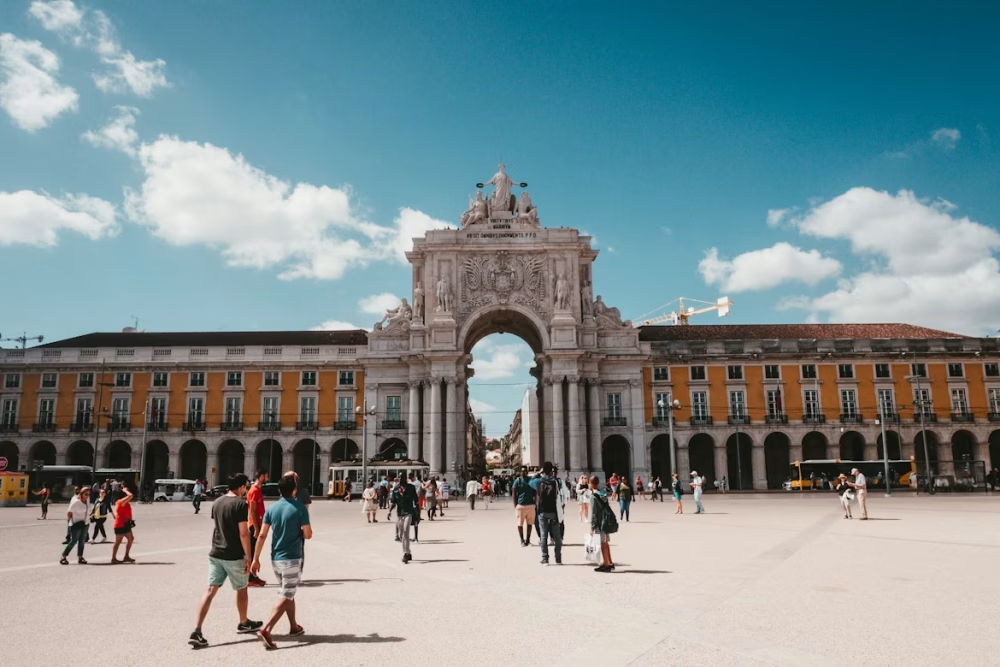
The Baixa and Chiado districts provide a more structured atmosphere, with wide boulevards and open squares ideal for relaxed movement. Children can enjoy the open space of Praça do Comércio while caregivers take in the surrounding architecture. The city’s elevators, trams, and funiculars appeal to younger travelers who delight in alternative modes of transportation, and these systems also help parents manage Lisbon’s hilly terrain.
Near the riverfront, the recently revitalized promenade offers level ground, breezy views, and a calmer pace suitable for families needing breaks between activities. Lisbon’s blend of historical and modern infrastructure supports itineraries that merge cultural exposure with manageable mobility.
Museums and learning environments tailored for young explorers
Several Lisbon-based museums are especially suited to families who enjoy hands-on learning. The Oceanário de Lisboa presents large-scale marine habitats through immersive displays that encourage observational engagement. The Pavilion of Knowledge introduces scientific concepts through interactive installations, allowing children to experiment with motion, sound, and basic engineering ideas in structured environments.
Other cultural sites, including tile museums and outdoor archaeological areas, introduce children to Portuguese history through visually rich exhibits. Many of these institutions incorporate open courtyards and outdoor seating, supporting itineraries that alternate between active learning and quiet rest.
Porto and northern Portugal: riverside calm and historic layers
Porto’s compact layout and riverside charm make it another appealing destination for families. The Ribeira district offers scenic pathways along the Douro River, where children can observe boats, bridges, and hillside houses that create the city’s distinctive visual identity. While some streets are steep, many families find the lower riverbank particularly accessible.
Cable cars connecting viewpoints along the river add an element of excitement for children and provide adults with broad perspectives on the region’s geography. Gardens such as those around the Crystal Palace offer green spaces suited for picnics, gentle play, and momentary retreat from the city environment.
Beyond Porto, the Douro Valley introduces a quieter rhythm. Boat rides along the river provide an engaging way for children to observe terraced hillsides and small villages from a new angle. Viewpoints and riverside stops create opportunities for short, manageable outdoor walks that showcase the valley’s unique landscape and long agricultural history.
Central Portugal: historic towns and nature-based activities
Central Portugal offers a mix of cultural depth and natural surroundings that suit varied family interests. Coimbra’s riverfront and botanical garden supply open spaces ideal for strolling with young children, while its historic university buildings provide insight into academic traditions that span centuries. Families often appreciate the city’s balance between urban features and nature-oriented retreats.
Fortified towns in the region, such as Óbidos, invite imaginative engagement as children navigate stone passageways and castle walls. These settings help introduce historical concepts in accessible ways while allowing children to experience the tactile elements of older architecture.
In the nearby mountain ranges, including the Serra da Lousã, families can enjoy short forest trails, streamside walks, and villages built from traditional schist stone. These gentle outdoor areas provide contrast to city-based exploration and emphasize Portugal’s environmental diversity.
The Alentejo: spacious landscapes and slow-paced exploration
South of Lisbon, the Alentejo region offers expansive terrain and a calm atmosphere particularly conducive to family travel. Évora’s historic center features compact streets, Roman-era remains, and shaded squares that ease movement for families with younger children. Because the city is relatively flat, it allows for steady walking without the challenges posed by steeper urban environments.
Rural areas of the Alentejo introduce families to cork oak forests, agricultural landscapes, and megalithic sites. These wide-open spaces support activities such as observing wildlife, exploring ancient structures, or simply enjoying unhurried time outdoors. Coastal Alentejo, characterized by long beaches and protected cliffs, adds opportunities for beach play, tidepool discovery, and gentle coastal walks.
Algarve: varied coastlines and accessible family outings
The Algarve presents southern Portugal’s best-known coastal environment, with a network of beaches that range from dramatic cliffs to peaceful sandy bays. Many towns offer pedestrian promenades, level paths, and playgrounds situated near the sea. These amenities create settings where children can explore freely while remaining within a manageable distance of family facilities.
Inland, villages in the Serra de Monchique showcase traditional crafts, local food traditions, and calmer atmospheres compared to the coast. These areas highlight the cultural diversity of the Algarve and introduce families to everyday life beyond the beach environment.

Practical considerations for family itineraries
Portugal’s infrastructure supports families through reliable public transportation, walkable city layouts, and accessible accommodations. Parents often plan midday pauses, particularly in warmer seasons, aligning with Portugal’s own slower afternoon rhythm. Parks, shaded plazas, and waterfront paths provide natural break points for rest or casual play.
Dining schedules are flexible enough to accommodate children’s routines, and many public areas incorporate seating, water fountains, or playgrounds. Museums and cultural institutions increasingly include family-oriented materials or interactive exhibits, offering structured yet engaging ways to learn about Portugal’s history, science, and environment.
With its combination of welcoming public spaces, varied landscapes, and child-friendly cultural offerings, Portugal supports itineraries that adapt naturally to the needs of families. Its regions present a wide range of experiences suitable for curious young travelers while giving caregivers the flexibility required for smooth and enriching journeys.
Discover more from Geek Mamas
Subscribe to get the latest posts sent to your email.
Categories: Travel


