


I know first-hand how well games can help children learn many topics, as we often turn homework into some sort of game to encourage my son to complete his lessons.
Our post today focuses on the subject of math and how making learning fun can have a big impact on children and their willingness to learn something new, even when they may find it a challenge.

How Games Help Kids Learn Math
For many young learners, math can feel like a foreign language—and in a way, it is. Much like reading, math relies on symbols that must be interpreted and understood. Once a child grasps how those symbols work together, the barrier fades, and a new world of logic and problem-solving opens up.
But reaching that level of comfort takes time, practice, and repetition. If you’ve ever encountered a child groaning over math homework, you’re not alone. Often, this frustration stems not from laziness, but from confusion—kids may be struggling to understand the “why” behind the numbers, not just the “how.”
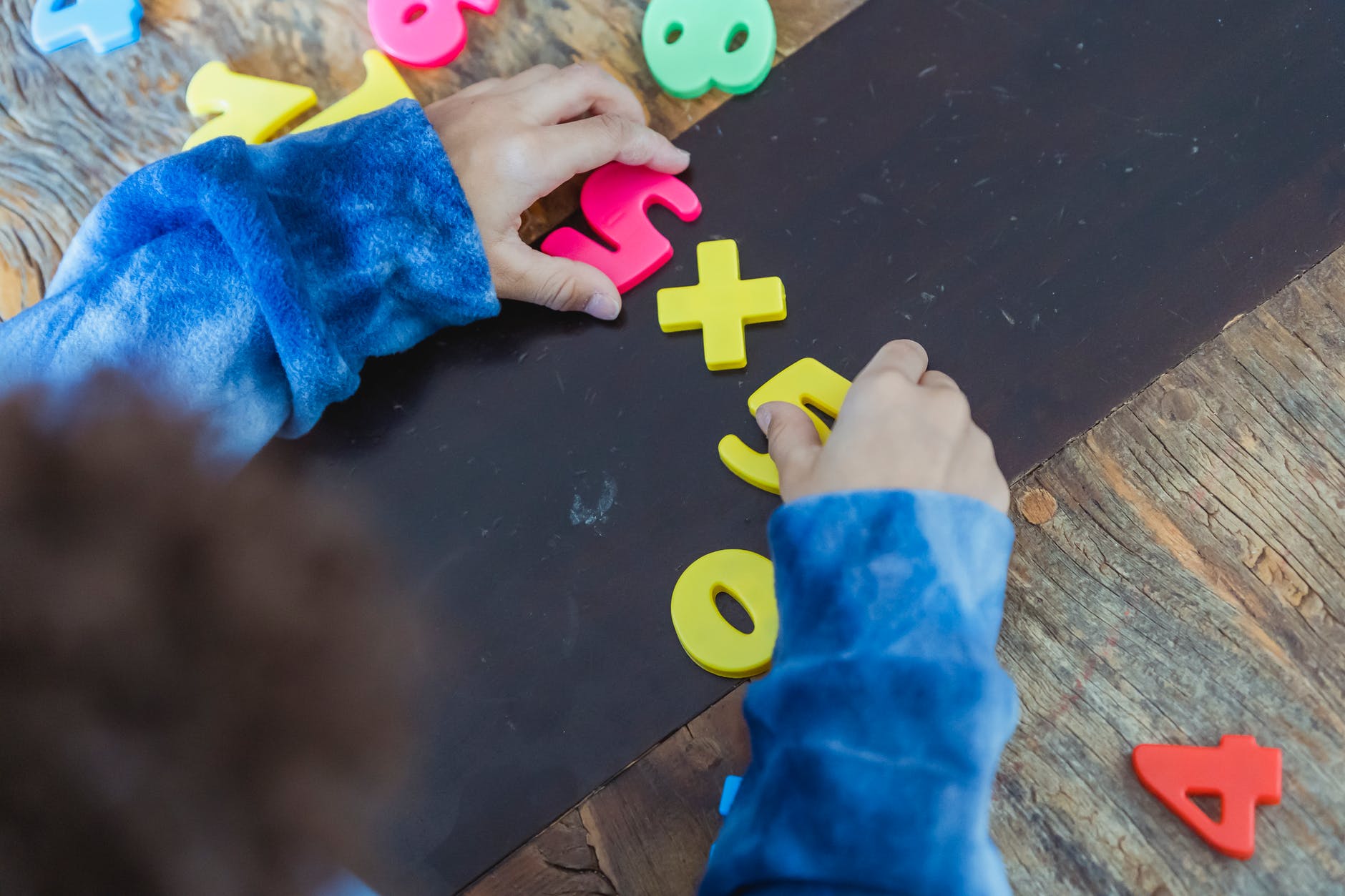
This is where games can make a remarkable difference. By transforming abstract concepts into interactive experiences, math games offer learners a chance to explore numbers in a hands-on, engaging way. Games remove the pressure of getting the “right” answer on the first try and instead focus on patterns, strategies, and problem-solving.
Whether it’s through digital platforms or board games, these tools turn math into something playful and approachable. They build confidence, improve fluency with symbols, and foster a more intuitive understanding of how numbers relate to one another.
Why Play Math Games?
Math games are a great way to practice math concepts that have been introduced in class or at home. All of us, including kids, associate games with entertainment, whether board games, video games, or even casino games.
By using online math learning games for young learners, you provide a fun outlet for practice and improvement. Different types of math games are designed to help with different skills and playing them may help reduce children’s anxiety about learning math.
How to Use Math Games
A math game can typically be played individually or in competition with classmates or friends. For some students, competition is motivating, while others may thrive on independent work.
Regardless, as the parent or teacher, you’re in charge of ensuring that children access and play math games in the way that works best for them. Keep in mind that if you are introducing a competitive aspect, the goals and rules must be clear. And the focus should always be on each student’s best work, not on any comparative judgement.
For example, something as simple as tracing numbers can become a fun challenge for young children by adding a timer—turning it into a game to see how quickly and accurately they can trace each number within a set time limit.
Which Games?
In math learning games, tailoring the game level to the learner ensures that they can benefit from it. The best math game has just the right level of challenge for the particular learner using it.
Don’t feel obliged to have a group of learners playing a game at the same level. On the contrary, customize and reward learners as they progress through levels, something they may be quite familiar with from video games. A learner should have a chance of winning, but the win must be somewhat hard-won to maintain their interest.
Also, select games that reinforce math concepts students have already been exposed to. Games are great for practice, scaling up skills, and developing confidence in solving problems and applying math concepts in new contexts.

Consider Math Worksheets
There are countless engaging math worksheets available for young learners, from preschool and up. These worksheets encourage kids to apply their math skills to real-life situations—like counting objects, solving money puzzles, or even blending creativity with logic through fun activities like designing characters or crafting simple poems with numbers.
Watching how a child interacts with math games and activities can give valuable insight into their strengths and areas that need support. Beyond just boosting confidence, these experiences help lay the foundation for long-term success in math.
Discover more from Geek Mamas
Subscribe to get the latest posts sent to your email.
Categories: education


5 replies »