


Besides a brief fling with violin in middle school, I’ve never tried to play and practice a musical instrument. Our Guest Contributor today, however, knows a thing or two about playing the cello and they’re going to share some strategies on practicing smarter, not harder.
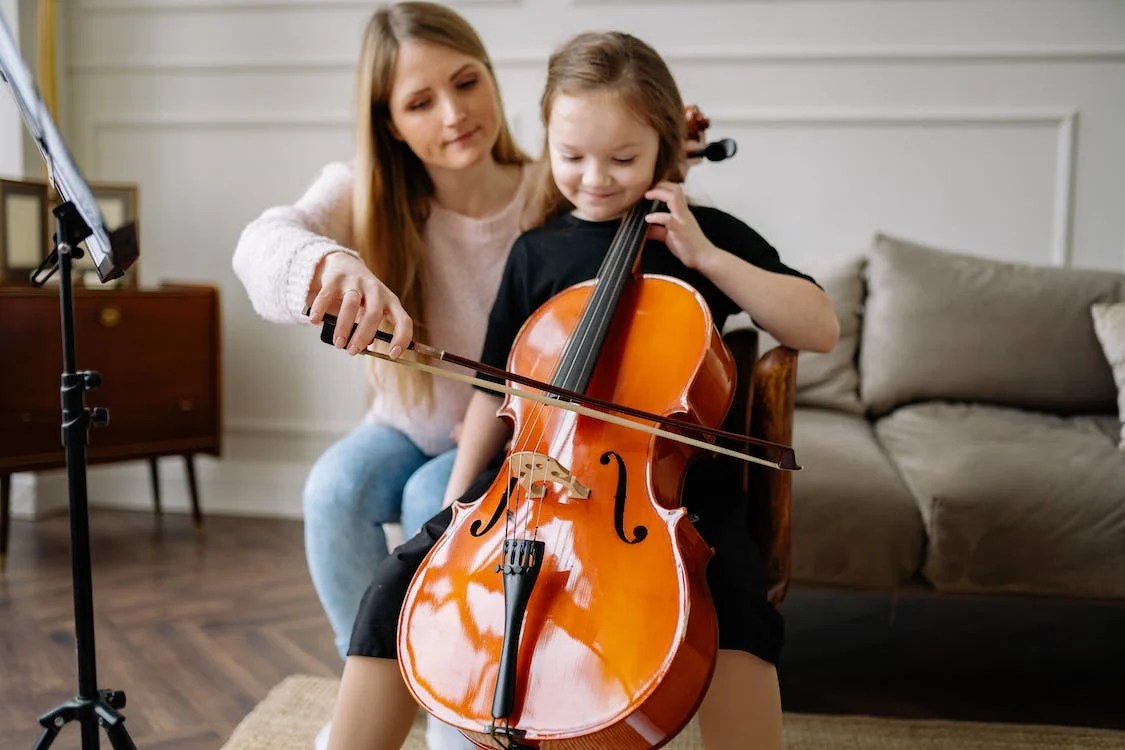
If you’re learning the cello, you need to know that it’s a pursuit that requires dedication and commitment to continuous improvement. Your journey of becoming a virtuoso from a total novice can be challenging and rewarding. Throughout your pace, you’ll explore different strategies for improving your cello. But here, we’ll delve into some tactics of intelligent practice. You can use this strategic and deliberate approach to honing your skills.
Setting Clear Goals and Structuring Practice Sessions
To make the most out of your cello practice as a beginner cello player, you need to define your specific goals. It may include mastering a passage, improving your bow technique, or refining your intonation. Likewise, you need to be realistic in setting these goals and include both long-term and short-term objectives.
Meanwhile, structuring your practice sessions is also a great idea to improve your cello playing skills. You can do this by allocating certain time slots for your goals, warming up, chunking off difficult passages, and having self-assessment.
Establishing Proper Technique and Posture
Proper technique and posture are crucial in learning the cello. Through this, you can lessen the risk of injury while practicing while maximizing your progress. You can achieve this by educating yourself about fundamental techniques like bowing, shifting, fingering, vibrato, etc.; you can refer to online instructional videos, tutorials, as well as physical books and lessons from music teachers.
Establishing the correct posture while playing is also important to learn. You can do this by setting up your body alignment by sitting straight with relaxed shoulders. Next is placing your cello correctly, using your left hand and fingers properly, and practicing your right hand and bowing. It’s one of the challenging strategies to learn, but through slow practice and dynamic exercises, you’ll get this.
Developing Ear Training and Intonation
This strategy requires a focused and systematic approach to hone your ability to reproduce accurate pitches. You can start your ear training by learning more about ear-body connection and relative pitch, where you need to practice your ear to recognize intervals.
You also need to do some pitch perception practice, such as singing and listening to intervals, scales, and melodies to help reinforce your sense of pitch. Intonation practice on the cellos with open strings and double stops is also helpful in this strategy.
Balancing Discipline and Rest
Balancing discipline and rest require a holistic approach to your practice routine. You need to achieve a harmonious balance between focused work and recuperation. Do this by making structured practice sessions, having effective work intervals, adopting rest and recovery, and applying mindfulness and self-care. You can also set weekly and monthly goals as part of your long-term planning and do regular assessments to monitor your progress.
Conclusion
Learning the cello might be challenging and tough, but it doesn’t have to be that way. By adopting some intelligent practices like setting goals, establishing proper technique and posture, developing ear training and intonation, and balancing discipline and rest, you’ll surely have an enjoyable time mastering the cello. Practice wisely through these strategies and make cellar learning more fun!
Discover more from Geek Mamas
Subscribe to get the latest posts sent to your email.
Categories: education


1 reply »