In the delicate tapestry of our natural ecosystems, the presence of invasive species can disrupt the intricate balance that sustains diverse and thriving wildlife communities. However, hunting can serve as a vital tool in the arsenal of wildlife managers, enabling them to actively control these non-native invaders and restore the ecological equilibrium that is so essential for the survival and flourishing of native species.
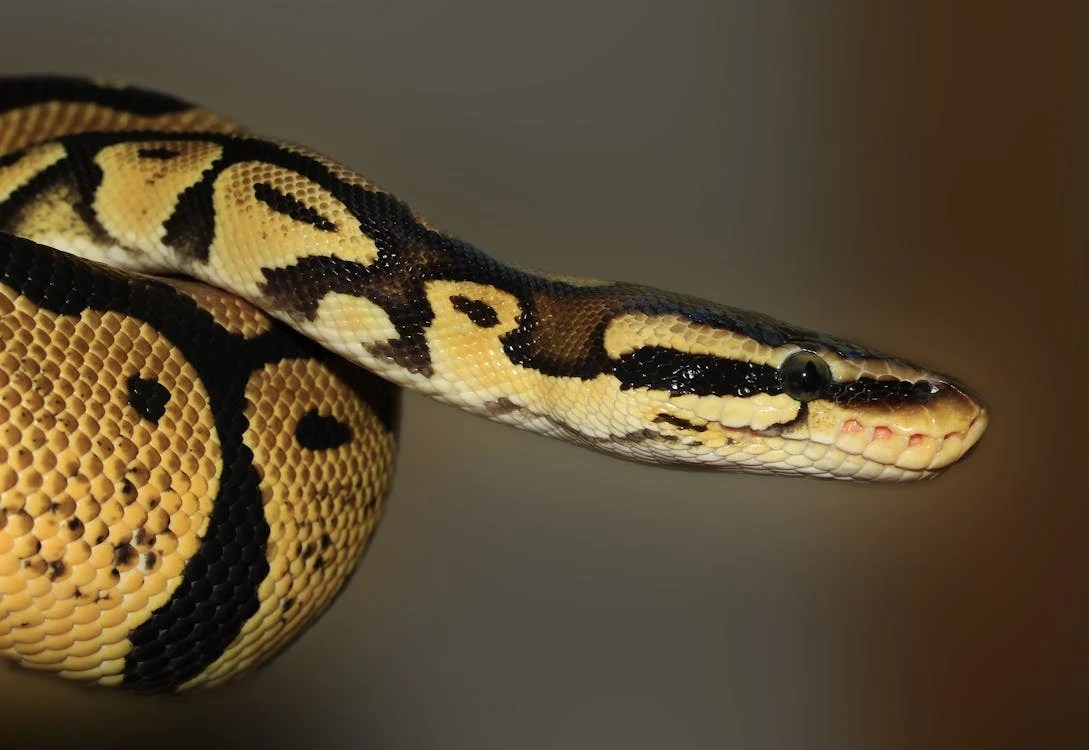
One example: Python hunting in the Florida Everglades, where the python population has grown out of control and is affecting the regular wildlife.
For hunters who need to observe wildlife in changing light conditions, day and night scopes can offer a practical way to maintain visibility and identify their surroundings more clearly when used responsibly and in accordance with local regulations.

Invasive species, be they plants or animals, can quickly establish themselves in new environments, often outcompeting and displacing the local flora and fauna. This disruption to the ecological balance can have devastating consequences for the wildlife conservation efforts of a region, as the native species struggle to maintain their footing in the face of these aggressive newcomers.
By employing regulated hunting practices, wildlife managers can effectively manage the populations of these invasive species, restoring the delicate balance and creating opportunities for the native species to thrive once more.
Understanding the Impact of Invasive Species
Invasive species are non-native plants or animals that are introduced, either intentionally or unintentionally, to an ecosystem where they did not previously exist. These invasive species can quickly establish themselves and outcompete native species for resources, leading to significant ecological impact.
What Are Invasive Species?
Invasive species are organisms that are not indigenous to a particular ecosystem and often have no natural predators or competitors in their new environment. These non-native species can spread rapidly, disrupting the biodiversity and causing habitat destruction for the local native species.
Ecological Consequences of Invasive Species
The introduction of invasive species can have devastating consequences on local ecosystems. They can outcompete and displace native species, leading to a decline in biodiversity. Invasive species can also alter the delicate balance of an ecosystem, disrupting food webs and causing habitat destruction. This, in turn, can have far-reaching effects on the overall ecological impact of the region.
Addressing the threat of invasive species is crucial for preserving the health and biodiversity of our natural environments. By understanding the challenges posed by these non-native species, we can develop effective strategies to mitigate their ecological impact and restore the balance of our local ecosystems.
The Role of Hunting in Invasive Species Management
Hunting can play a vital role in the management of invasive species, serving as an effective population control measure and supporting habitat restoration efforts. By reducing the numbers of invasive species through regulated hunting, wildlife managers can help restore the balance of local ecosystems and create opportunities for native species to thrive.
Hunting as a Population Control Measure
Invasive species, by their very nature, can quickly overwhelm and outcompete native wildlife for resources, leading to a significant imbalance in the ecosystem. Hunting, when conducted responsibly and under the guidance of wildlife conservation authorities, can be an effective tool for controlling the population of these non-native species.
By targeting and removing invasive animals, hunters can help curb their rapid expansion and give native species a chance to recover and maintain their rightful place in the local environment. For hunters looking to maintain peak performance in the field, investing in top-quality gun magazines can make a significant difference in ensuring effective and efficient population management of invasive species.
Hunting and Habitat Restoration
Alongside population control, hunting can also contribute to the restoration of habitats that have been disrupted by invasive species. When large numbers of invasive plants or animals are removed through hunting, it creates space and opportunities for native species to reclaim their natural habitats.
This, in turn, helps to re-establish the delicate balance of the ecosystem, allowing for the recovery and thriving of indigenous wildlife. By working alongside wildlife conservation efforts, hunters can play a vital role in the overall management and restoration of ecosystems impacted by invasive species.
This responsibility underscores the need for proper training, which is why essential programs like the Georgia hunter safety course are often mandatory for new hunters in the state of Georgia. Completing such a course ensures that hunters are educated on safety, wildlife laws, and ethical practices, ultimately supporting a positive and sustainable impact on the environment.
Examples of Invasive Species Controlled Through Hunting
The Florida python hunt is just one of the many examples where an invasive species has been controlled through hunting. This practice happens all over the world. Below are more examples:
- Feral Hogs in the United States: Feral hogs, also known as wild boars, have caused extensive damage to crops, native plants, and wildlife across many states. Hunting programs, including organized hunts and recreational hunting, are used to reduce their populations and mitigate their destructive impact.
- Red Foxes in Australia: Introduced to Australia in the 19th century, red foxes have become a significant threat to native wildlife, including many endangered species. Hunting, along with baiting and trapping, is a key strategy in controlling their numbers.
- Nutria in Louisiana: Nutria, large semi-aquatic rodents native to South America, have invaded Louisiana’s wetlands, causing severe erosion and habitat destruction. Hunting programs, including bounty incentives, encourage hunters to help reduce the nutria population.
- Rats on Islands: On many islands worldwide, invasive rat species have devastated local bird populations by preying on eggs and chicks. Hunting and trapping efforts, sometimes combined with poison baits, are used to eradicate these invasive rodents and protect native birds.
- European Rabbits in Australia: Introduced in the 19th century, European rabbits have caused widespread environmental damage. Hunting, along with biological control methods, is used to manage their populations.
These hunting initiatives are often part of broader integrated pest management strategies that include habitat restoration, public education, and legal regulations to ensure the long-term success of invasive species control efforts.
Conclusion
The battle against invasive species is critical to preserving our natural ecosystems and maintaining biodiversity. While these non-native organisms can pose a significant threat to local wildlife and habitats, regulated hunting serves as a powerful tool in the management and control of these populations. By actively engaging in hunting initiatives, wildlife managers can mitigate the adverse ecological impacts posed by invasives, thereby facilitating the recovery of native species and restoration of their habitats.
The examples of successful hunting programs around the world illustrate the importance of a collaborative approach in addressing the challenge of invasive species. Through responsible and sustainable hunting practices, we can contribute to the re-establishment of the delicate balance within our ecosystems. Ensuring the health of our environments not only safeguards native wildlife but also enriches the landscapes that we cherish.
As we continue to develop and implement effective strategies for invasive species management, the role of hunting must be embraced as a critical component of conservation efforts. By fostering a deeper understanding of the interconnectedness of our ecosystems, we can work together to protect the biodiversity essential for the health of our planet and future generations.
Discover more from GeekMamas.com
Subscribe to get the latest posts sent to your email.


2 Comments on “Hunting as a Tool for Controlling Invasive Species and Restoring Balance”