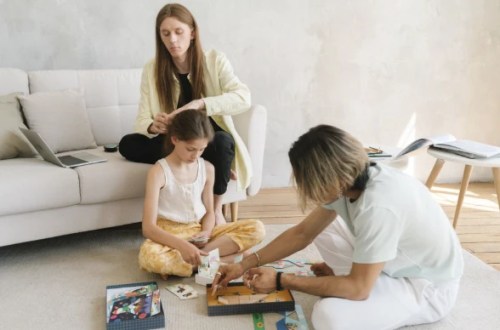
The transition from spending every day at home to starting early education is a massive milestone. For parents, it is a bittersweet moment filled with pride and a little bit of anxiety.
For toddlers, it is the beginning of an exciting new chapter. However, stepping into a completely new environment can also feel overwhelming for a young child.
Preparing your toddler for this big leap does not have to be stressful. By incorporating a few simple and creative strategies into your daily life, you can help them feel confident, secure, and ready to learn.
Build Excitement Through Play and Storytelling
One of the most effective ways to introduce the concept of early education is through play. Toddlers process the world around them by pretending. You can set up a mock classroom in your living room using their favourite stuffed animals as classmates. Take turns being the teacher and the student. Practise sitting down for storytime, sharing toys, and eating from a lunchbox.
Reading books about starting school is another fantastic way to familiarise them with the idea. When you read together, point out the fun activities the characters are doing. This builds positive associations with learning environments.
Whether you are searching for a nursery school Granville parents recommend, or checking out local preschools in your own neighbourhood, having these playful conversations early on makes the actual physical space feel much less intimidating when they finally walk through the doors.
Focus on Social and Emotional Milestones
While it is tempting to focus on teaching your child their colours and numbers before they start formal early learning, emotional readiness is far more important.
Child development experts agree that a child’s ability to navigate their feelings plays a crucial role in their educational journey. According to the American Academy of Pediatrics, reaching key social and emotional milestones around age two sets children on a clear path for school success.
Trying new things, learning how to solve basic problems, and getting along with others make a significant difference in their school years and beyond.
You can foster these skills by organizing regular playdates. Group settings teach toddlers how to take turns, share attention, and interact safely with peers. When conflicts inevitably arise over a toy, use it as a gentle teaching moment to help them express their feelings with words rather than actions.
Navigate Behavioural Changes and Separation Anxiety
Starting a new routine is exhausting for a toddler. It is completely normal to see a temporary regression in their behaviour as they process the change. Morning drop-offs can sometimes trigger intense emotions. If your child struggles when it is time to say goodbye, try to keep your farewells brief, positive, and predictable. Lingering often makes the process harder for both of you.
It is also helpful to understand the underlying reasons for sudden emotional outbursts during this transition phase. As explored in this insightful look at the root causes of toddler tantrums, these challenging moments often stem from separation anxiety or the struggle to communicate in unfamiliar situations.
Knowing that their behavior is a natural part of brain development can give you the patience needed to support them through the tough mornings.
Simple Steps to Encourage Independence
Early childhood educators highly value a child’s ability to do things for themselves. Building independence at home translates to a more confident child in the classroom. You do not need to rush them, but you can slowly introduce tasks that they will eventually need to manage on their own.
Here are a few practical skills you can start practising with your toddler today:
- Opening and closing their lunchbox and drink bottle during snack time.
- Putting on their own shoes and socks (Velcro shoes are an excellent starting point).
- Pulling their pants up and down to assist with toilet training.
- Washing and drying their hands without constant supervision.
- Storing their belongings in a designated space at home to mimic the classroom setup.
- Helping to pack their daily bag, which gives them a sense of ownership over their routine.
Preparing your toddler for early education is a journey that requires time, patience, and a lot of reassurance. By making the concept of school fun, focusing on emotional growth, and nurturing their independence, you are setting them up for a wonderful start. Remember that every child adapts at their own pace. Celebrate the small victories, stay consistent with your routines, and watch proudly as your little one embraces their new learning adventure.
Discover more from GeekMamas.com
Subscribe to get the latest posts sent to your email.